Landscape Maintenance Ideas for Minimalist and Easy-Care Yards
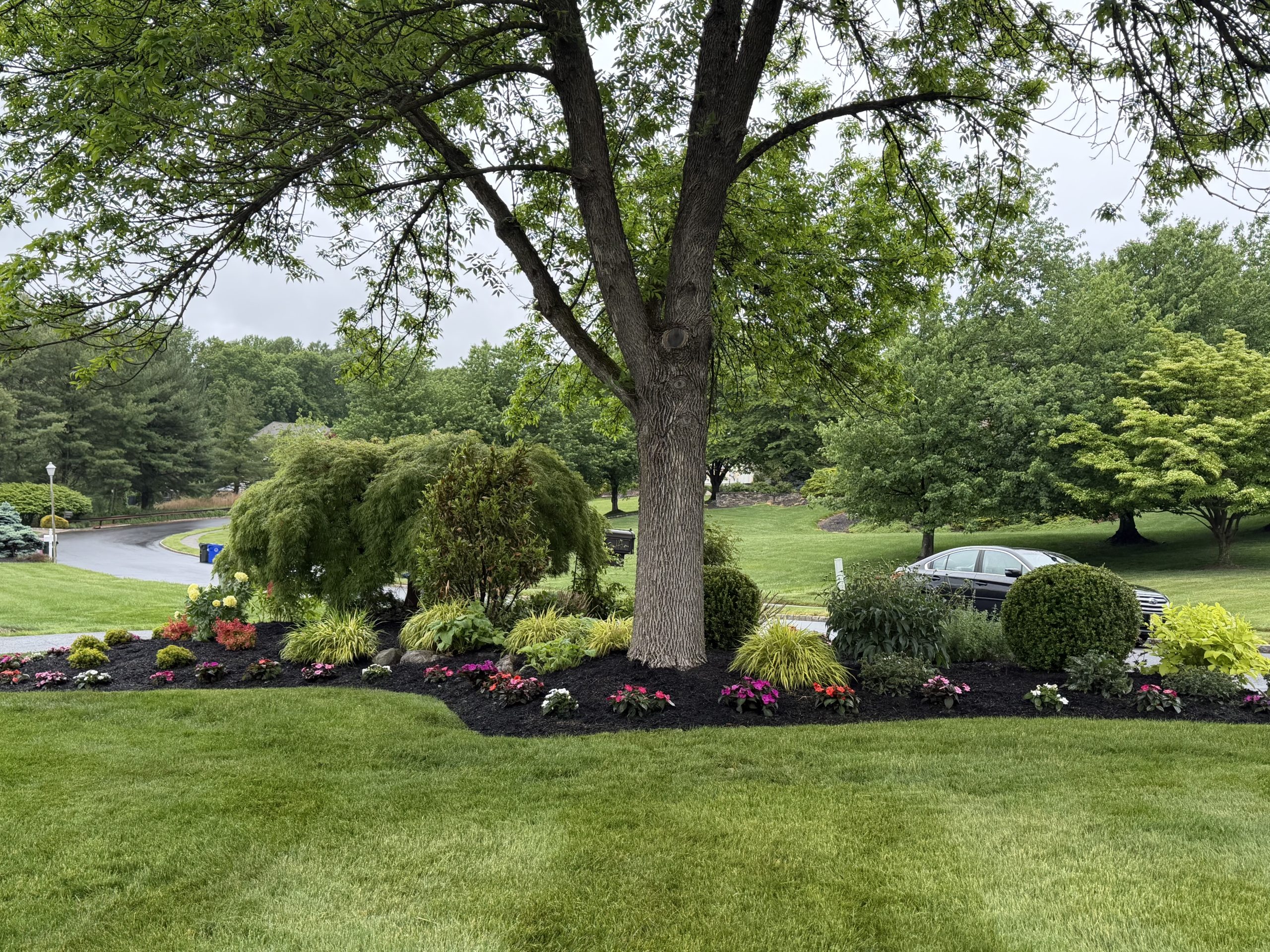

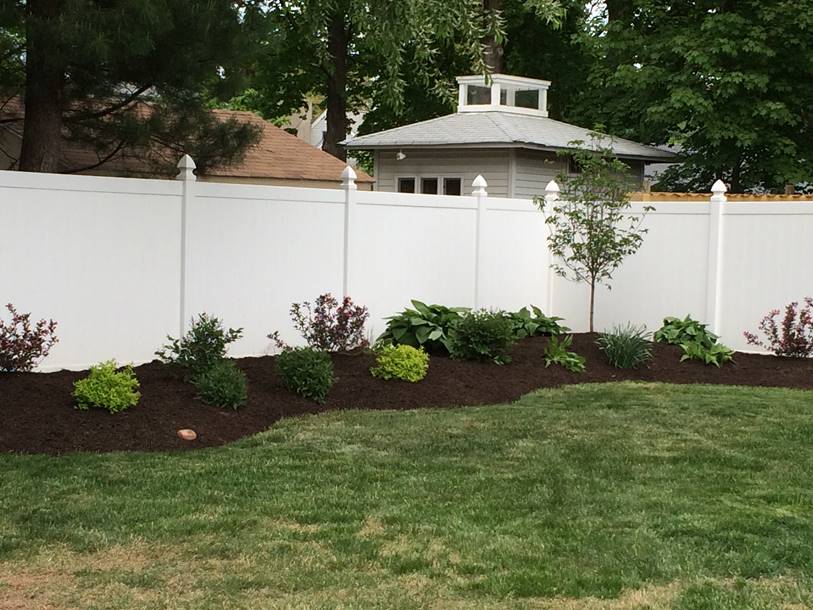
A minimalist yard is often misunderstood. People hear "low maintenance" and picture a sparse rectangle of gravel with two shrubs fighting for survival. That is not the goal. The best easy-care landscapes feel calm, intentional, and finished. They reduce routine work without looking neglected, and they do it by making smart decisions early, before the first plant goes into the ground.
Good landscape maintenance begins with restraint. Every added bed edge, specimen plant, decorative boulder, and patch of thirsty lawn creates another task later. The yards that stay attractive with modest effort usually share the same traits: fewer materials, fewer plant varieties, simpler irrigation, and stronger bones. They rely on durable surfaces, plants that actually fit the site, and layouts that do not force the homeowner into weekly correction.
I have seen this play out in every kind of yard, from small suburban frontages to larger properties that started with ambitious plans and quickly became burdened by them. The owners who remain happiest after three or five years are rarely the ones with the most elaborate design. They are the ones who can keep the place clean and healthy in a couple of hours on a weekend, rather than spending every Saturday chasing weeds, replacing annuals, and trimming plants that were oversized from the day they were planted.
Start with a maintenance budget, not just a design budget
Most people set a dollar amount for installation and stop there. A more useful question is this: how much time, money, and attention can this yard reasonably receive every month?
That answer should shape nearly every decision. If a homeowner enjoys gardening and wants to spend a few hours each week outdoors, a mixed border with layered perennials may be sensible. If they travel often, manage a rental, or simply do not enjoy yard work, the design should lean harder toward structure and durability. There is no shame in that. A yard should fit the life around it.
This is where many Landscape Maintenance problems begin. A plan may look balanced on paper, but if it assumes regular deadheading, seasonal cutbacks, irrigation monitoring, and detailed pruning, it is not low care, no matter how simple the rendering appeared. The maintenance budget is what separates a realistic minimalist landscape from an aspirational one.
A practical way to think about it is in hours. A compact easy-care front yard can often be kept in shape with one to three hours a month, depending on climate and leaf drop. A larger mixed landscape with lawn, ornamental beds, and several hedge lines can jump well beyond that. Once people see the expected labor in plain terms, their preferences often change.
Lawn is not the enemy, but too much of it often is
Lawns create mixed reactions. Some homeowners want to remove every blade. Others want a perfect green carpet. In reality, turf is neither inherently high maintenance nor automatically easy. It depends on scale, species, irrigation, and how formal you expect it to look.
A modest, well-defined lawn panel can be one of the easiest elements in a yard. It reads clean from the street, provides usable space, and is quick to mow if the shape is simple. The trouble starts when lawn wraps around beds in narrow strips, climbs steep slopes, or fills corners that are awkward to cut. Those areas turn mowing into trimming, edging, and frustration.
If you want easier Landscape Maintenance, reduce turf where it is inconvenient rather than eliminating it blindly. Keep lawn where it functions well, in open rectangles or broad curves, and replace problem zones with planting beds, groundcovers, or hardscape. That usually gives the best balance of simplicity and usability.
Warm-season and cool-season grasses also matter. A lawn that matches local climate will demand less irrigation, fertilizer, and disease management. This sounds obvious, but mismatched turf is still common. In regions with hot summers and water restrictions, trying to force a thirsty grass to stay lush can become the single most expensive and time-consuming part of the yard.
Fewer plant varieties usually means less work
Minimalist planting is not about making a yard sterile. It is about editing. Repetition calms a space visually and simplifies care. When a bed contains three or four dependable plant types repeated in masses, it is much easier to manage than a collector's garden filled with one of everything.
Every plant has its own growth rate, pruning window, water preference, and cleanup pattern. Multiply that across twenty species and the maintenance load rises fast. A cleaner strategy is to choose a limited palette and use it confidently. A drift of one ornamental grass, backed by a durable evergreen shrub and accented with one flowering perennial, will usually age better than a bed crowded with novelty.
There is also a discipline in selecting plants for mature size, not for the nursery pot in front of you. Homeowners routinely install shrubs two feet from a walkway because they look tiny at purchase. Three years later they are shearing them into stiff boxes to keep the path clear. That is not maintenance, that is damage control. The easiest shrubs are the ones that never need constant restraint.
This is where professional judgment matters. A slow-growing shrub that naturally tops out at three or four feet may cost a little more upfront than a fast-growing bargain variety, but the long-term savings in pruning are substantial. The same applies to trees. Planting the right tree twenty feet from the house is a maintenance decision as much as a design one.
Groundcovers can save time, but only when they are chosen carefully
Groundcovers are often sold as a universal answer to weeds and bare soil. Sometimes they are. Sometimes they become the next problem. The difference usually comes down to growth habit, climate fit, and how fast the area needs to fill in.
A good groundcover forms a dense canopy, tolerates the site conditions, and does not invade neighboring spaces aggressively. It should also look acceptable through most of the year. In formal or highly visible locations, a groundcover that collapses in winter or turns patchy in heat may not deliver the low-care look you want.
There are two common mistakes here. The first is spacing plants too far apart to save money. That can leave years of exposed mulch and weed pressure before the bed ever knits together. The second is choosing a vigorous spreader without a clear containment plan. Some species are easy-care in theory and endless-care in practice because they creep into lawns, sidewalks, and adjacent beds.
On slopes, groundcovers can be especially useful because they reduce mowing hazards and stabilize soil. But slopes also expose weak irrigation and planting choices quickly. Thin plants on a dry incline will not suppress weeds for long. In those cases, deeper mulching, closer spacing, and drip irrigation during establishment make all the difference.
Mulch is one of the best maintenance tools in the yard
Mulch may not be glamorous, but few things have a bigger impact on Landscape Maintenance. A properly mulched bed holds moisture better, buffers soil temperature, and suppresses weed germination. Just as important, it makes the whole yard look finished, even when plants are still maturing.
Organic mulches such as shredded bark or wood chips usually perform well in planting beds. They decompose over time, which means periodic refreshing is part of the routine, but that gradual breakdown also benefits the soil. The key is depth. Too thin and weeds push through quickly. Too thick and you can smother roots or create moisture problems around crowns and trunks. In many residential beds, roughly two to three inches is a useful target, adjusted for material and plant type.
Stone mulch has its place, especially in arid climates and highly architectural designs, but it is not automatically lower maintenance. Stone does not improve soil, it traps debris, and once leaves and organic matter settle between rocks, weeds find a foothold anyway. Cleaning those beds can be tedious. Stone also reflects heat, which can stress certain plants and make small spaces feel harsh in summer.
If the goal is a yard that stays tidy with minimal intervention, mulch choice should be based on climate, plant palette, and cleanup realities, not just appearance on installation day.
Hardscape should simplify movement and cleanup
The cleanest minimalist landscapes rely on strong hardscape. Paths, patios, stepping pads, and edging are not just decorative. They reduce wear, guide foot traffic, and make maintenance faster.
A narrow shortcut through planting beds will eventually become a dirt track. A path in the right place prevents that. A mowing strip along fences and bed edges can cut trimming time dramatically. Even the width of a side yard matters. If a wheelbarrow cannot pass comfortably, routine tasks become awkward.
Simple materials often age best. Large-format pavers, broom-finished concrete, decomposed granite in dry climates, and well-laid gravel can all work, depending on context. What matters most is installation quality and how the surface handles drainage. A stylish material laid over poor base preparation becomes a maintenance problem quickly, with settling, ponding, and weed intrusion.
Edging deserves more attention than it usually gets. Crisp, durable bed lines keep mulch contained and make the whole property look cared for. That does not mean every bed needs metal edging. Sometimes the simplest answer is a clean spade edge maintained a few times a year. In other places, especially around gravel or lawn transitions, a more permanent edge prevents constant migration and cleanup.
Irrigation is where easy-care yards either succeed or quietly fail
Many low-maintenance landscapes become high-maintenance because water is inconsistent. Plants that are drought tolerant after establishment still need a reliable start. Beds watered by overspray from lawn sprinklers often receive too much in one area and too little in another. That leads to disease, weak growth, and replacement costs.
Drip irrigation or low-volume systems are often a better fit for planting beds because they deliver water where it is needed and keep foliage drier. Turf may still require conventional spray or rotor zones, but those zones should be separate from shrub and perennial beds whenever possible. Different plant communities rarely thrive under the same schedule.
Controllers matter too. A sophisticated system is not useful if no one adjusts it seasonally. A basic smart controller can help, but only if the system itself is sound. Broken heads, clogged emitters, and poor pressure regulation defeat the purpose. One of the easiest maintenance upgrades for an existing yard is simply auditing the irrigation layout and correcting obvious mismatches.
I have seen homeowners save substantial time and plant loss by making this single change. They assumed their shrubs were struggling because of soil or fertilizer, when the actual issue was that half the bed received regular water and the other half barely got any. Once irrigation matched the planting, the need for rescue pruning and replacement dropped sharply.
Choose plants that look good while doing less
A true easy-care plant is not merely one that survives neglect. It is one that keeps a decent shape, resists common pests, and does not demand cosmetic work every few weeks. Those traits are more valuable than flashy bloom cycles in many minimalist yards.
Evergreen structure helps a lot. A small number of dependable evergreen shrubs can carry a landscape through dormant seasons and reduce the pressure to stage constant color. Ornamental grasses are useful too, especially varieties that hold form well and need only an annual cutback. Perennials can absolutely belong in low-maintenance designs, but choose the ones that do not flop, self-seed aggressively, or require frequent deadheading to stay presentable.
Native plants are often part of this conversation, and for good reason, but "native" is not a guarantee of low care in every setting. Some natives look best in looser, more naturalistic compositions and may appear untidy in a sharp modern front yard unless they are edited carefully. Others are excellent performers in formalized designs. The right question is not whether a plant is native or exotic. It is whether it suits the site, the visual style, and the maintenance tolerance of the owner.
The easiest yards are designed for mature appearance
There is a temptation to chase instant fullness. People want the yard to look established on day one, so they crowd plants, layer too many accents, and overdecorate empty space. Then everything grows in. What looked lush at installation becomes congested, and maintenance increases with every season.
A more disciplined approach is to let negative space work for you. Gravel courts, broad mulch beds, simple paving, and repeated plant masses all allow the landscape to breathe. This is especially effective in minimalist settings, where visual calm is part of the appeal. Empty space is not unfinished space if it has purpose.
Maturity also means thinking about visibility and access. Can you reach irrigation valves without trampling plants? Can windows be cleared without hacking back shrubs? Will the tree canopy shade out the lawn in five years? These are ordinary questions, but they are the ones that separate easy-care landscapes from expensive retrofits.
A few upgrades that cut routine work fast
When homeowners want quick wins, there are several changes that almost always help. They are not dramatic, but they pay off month after month.
- Widen bed lines to eliminate narrow strips of lawn that are hard to mow.
- Replace high-turnover annual color with a smaller number of durable perennials or evergreen shrubs.
- Add mulch to bare or thinning beds before weed pressure escalates.
- Convert mixed irrigation zones so turf and planting beds are watered separately.
- Remove or relocate oversized shrubs that require repeated shearing.
None of these changes are especially glamorous. All of them reduce friction. That matters more than novelty when the goal is long-term ease.
Seasonal care should feel light, not relentless
Even the best low-maintenance yard still needs attention. The goal is not zero work. The goal is predictable work that does not snowball. When the design is right, seasonal care becomes straightforward rather than reactive.
In spring, most easy-care yards need cleanup, a light pruning pass, mulch touch-up, and irrigation checks. Summer work should be limited mainly to monitoring water, spot weeding, and occasional grooming. Fall usually brings leaf management and selective cutback. Winter, in many climates, is when structural pruning and planning are easiest.
The difference between a stressful yard and a manageable one is that the manageable yard rarely demands emergency action. Plants fit their spaces. Surfaces drain. Bed edges hold. Irrigation is not guessing. That steadiness is what homeowners are really paying for when they ask for minimal maintenance.
Weed control is mostly a design issue
People often think of weeds as a maintenance failure. More often, they are a design and establishment failure. Weeds thrive in open soil, weak plant coverage, inconsistent mulch, and disturbed edges. If a bed is constantly invaded, the answer is not always more herbicide or more hand pulling. It is often a stronger planting strategy.
Dense planting, consistent mulch depth, reduced soil disturbance, and proper irrigation go a long way. So does patience during the first year. Many low-maintenance landscapes require the most effort early on, while plants establish and gaps remain visible. This can surprise homeowners who expected instant ease. The second and third years are often when the design starts paying them back.
There is also a practical threshold to consider. If a few seasonal weeds appear in a gravel joint or the back of a bed, that may not justify an aggressive response. Minimalist yards often benefit from a maintenance mindset that focuses on visible priorities instead of chasing perfection in every square foot.
Small yards benefit the most from discipline
The irony of small yards is that they can become cluttered faster than large ones. Because the footprint is limited, every object and plant carries more visual weight. A pair of mismatched pots, a struggling shrub, or https://cashoezq951.theglensecret.com/landscape-maintenance-tips-for-long-lasting-mulch-performance an overcomplicated border can make the whole space feel busy.
That is why minimalist principles are especially useful in compact properties. One clean seating area, one simple path, and a tightly edited planting palette can make a small yard look larger and calmer. Maintenance improves too, because there are fewer transitions, fewer materials, and fewer opportunities for things to drift out of place.
I once worked with a homeowner whose front yard measured only a few hundred square feet, yet it had lawn, roses, annuals, decorative gravel, three kinds of edging, and two small trees planted too close together. It looked full on paper and exhausting in person. Simplifying it into a modest lawn panel, a generous mulch bed, repeated evergreen shrubs, and one focal tree cut the maintenance time by more than half and improved curb appeal immediately.
When minimalist becomes too minimal
There is a point where simplification goes too far. A yard stripped down to nothing but hardscape and sparse plantings can become visually cold, environmentally weak, and surprisingly fussy. Dust, reflected heat, drainage glare, and weed intrusion in empty expanses are all real issues.
The goal is balance. You want enough planting to soften the architecture, cool the space, and create seasonal interest, but not so much variety that every week brings a new task. Texture helps here. Fine grasses, broad-leafed shrubs, upright accents, and one or two seasonal performers can give a restrained yard depth without turning it into a maintenance project.
That is why the best minimalist landscapes rarely feel severe. They feel edited. There is a difference.
A practical rhythm for ongoing Landscape Maintenance
If the yard has been designed well, a simple care rhythm is usually enough to keep it looking sharp:
- Walk the property twice a month and address small issues before they spread.
- Refresh mulch and redefine edges once or twice a year, depending on climate and material.
- Prune for plant health and natural form, not to force every shrub into a geometric shape.
- Check irrigation at the start of each season and after any visible plant stress.
- Replace repeated failures with tougher choices instead of repeating the same mistake.
That final point matters. Some plants are simply wrong for a particular yard, no matter how attractive they are at the garden center. Replacing them with better performers is not giving up. It is how a landscape becomes easier over time.
The real marker of success
A successful easy-care yard is not one that wins attention for complexity. It is one that stays composed through ordinary life. After a windy week, after a hot month, after a missed weekend, it should still look intentional. That is the standard worth aiming for.
Minimalist landscapes achieve this best when every element earns its place. Lawn is kept where it is easy to mow and useful to occupy. Beds are planted densely enough to suppress weeds but simply enough to manage. Hardscape guides movement and cleanup. Irrigation supports the design instead of fighting it. Materials age with dignity rather than demanding constant correction.
Landscape Maintenance, at its best, is not about doing more. It is about needing less, because the yard was planned with honesty from the start. When that happens, the space becomes what most homeowners wanted all along: attractive, calm, and easy to live with.
Majestic Mowing & Landscaping LLC
Phone number: +19733975532
FAQ About Landscape Maintenance
What is landscape maintenance?
Landscape maintenance is the ongoing care, cleaning, and upkeep of outdoor green spaces to keep them healthy, safe, and attractive.
Is $100 an hour too much for landscape work?
An hourly rate of $100 is not too much for specialized or professional landscape work, though it sits at the higher end of the standard pricing spectrum.
How much do landscapers charge for maintenance?
For professional landscaping maintenance, homeowners typically pay $100 to $410 per month for recurring services, or an hourly labor rate of $50 to $100 per hour per crew member.